

Commercial Door Buzzer Systems — Guide for Business Owners
Compare wired, wireless, and video door buzzer entry systems for business, with 2026 costs and features. Get a free quote from Forbel today.
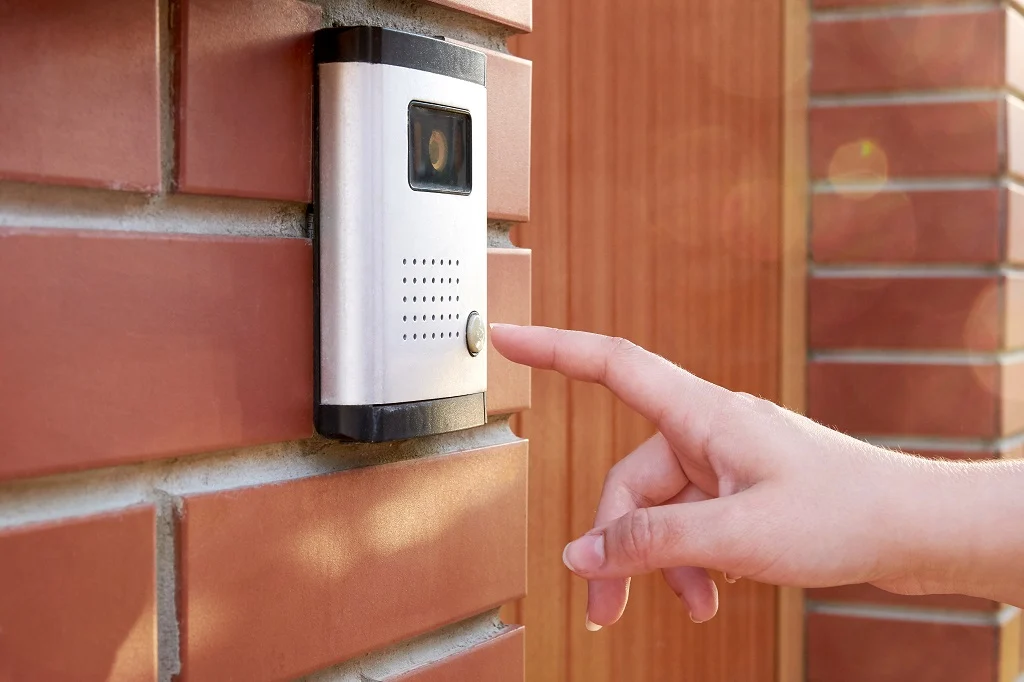
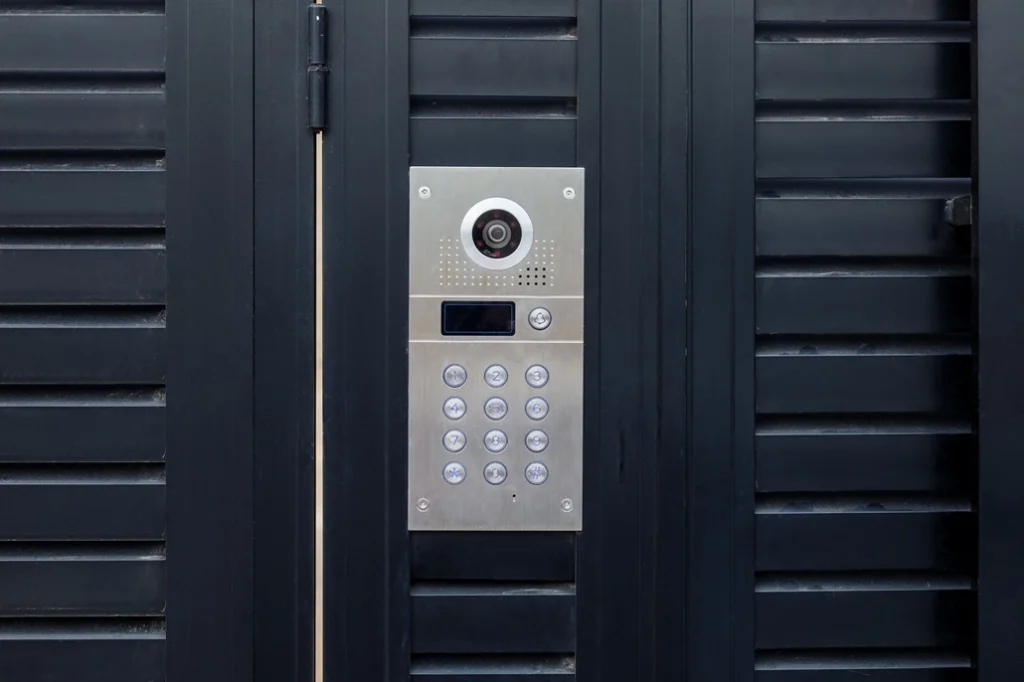
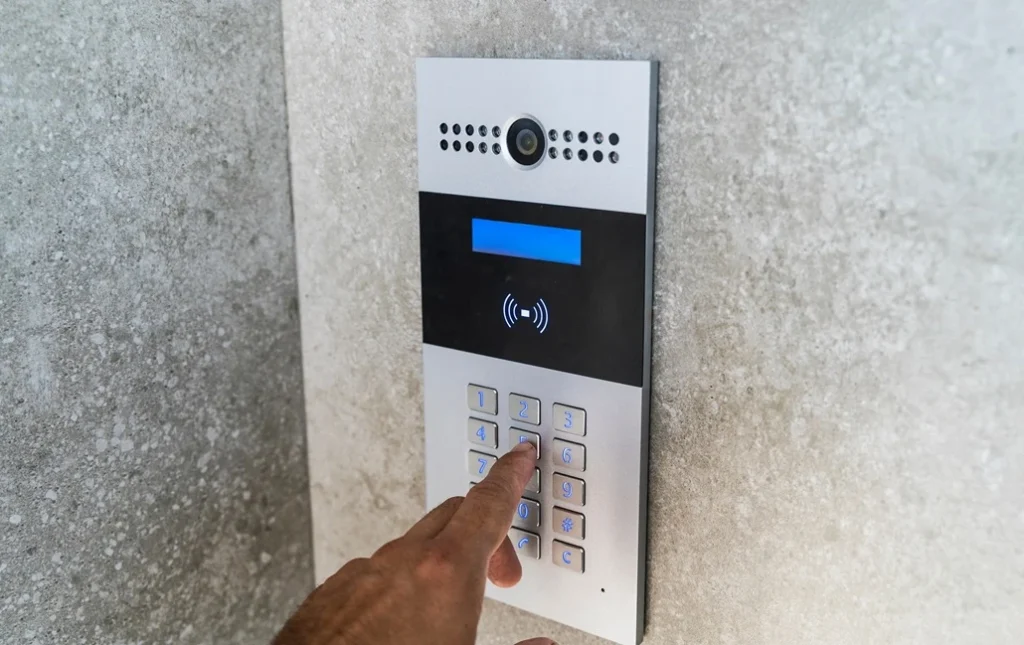
A commercial door buzzer entry system is a building access tool that lets staff screen a visitor and release a locked door from inside, without walking to the entrance. Hardware at the door lets a guest request entry. Hardware inside, a receiver, phone, or app, lets an employee respond and unlock.
Businesses install these systems to keep entrances locked during working hours while still admitting employees, clients, and deliveries. The sections below cover system types, 2026 cost ranges, core features, and how a buzzer differs from a full video intercom.
What Is a Commercial Door Buzzer System?
A commercial buzzer system screens guests before granting access, keeping a building secure without stationing someone at the door. It sits at the front of most access control setups: the first checkpoint a visitor meets before entering an office, clinic, warehouse, or multi-tenant lobby.
Every buzzer system combines door-side and interior hardware. The core components:
- Camera: Lets staff see the person requesting access before releasing the door.
- Mobile app: Links the system to a smartphone or tablet for remote door release.
- Cloud software: Stores entry data and lets property managers manage access remotely.
Cost of a Door Buzzer Entry System
Pricing depends on system type, number of entry points, and whether the building needs new wiring. The ranges below reflect what commercial buyers typically pay in 2026.
Two factors move these numbers more than any other. Labor makes up the majority of a wired installation, especially in existing buildings where walls may need opening or legacy wiring adapting. Cloud-based systems add a recurring software fee that a wired-only setup avoids.
Keep in mind: A subscription of $50 to $200 per month adds roughly $3,000 to $12,000 over five years, so weigh recurring cost, not just the install quote.
Types of Commercial Door Buzzers
There are two hardware categories, wired and wireless, and three common system types within them. Most commercial buyers weigh three practical options. The table shows where each fits.
Within these categories, the three system types are:
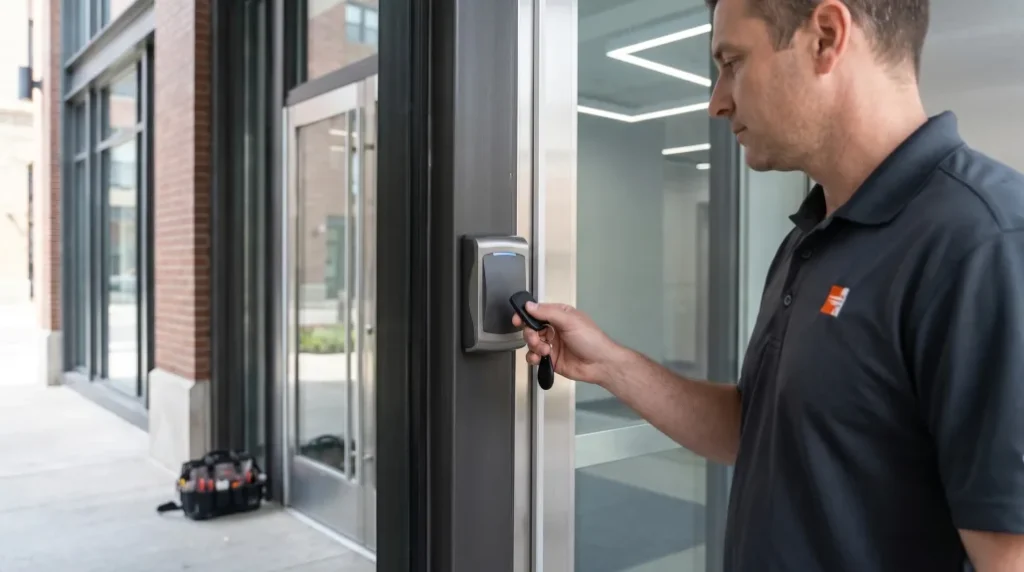
- Buzzer with access reader: Lets authorized staff enter with a fob or keycard while still buzzing in visitors.
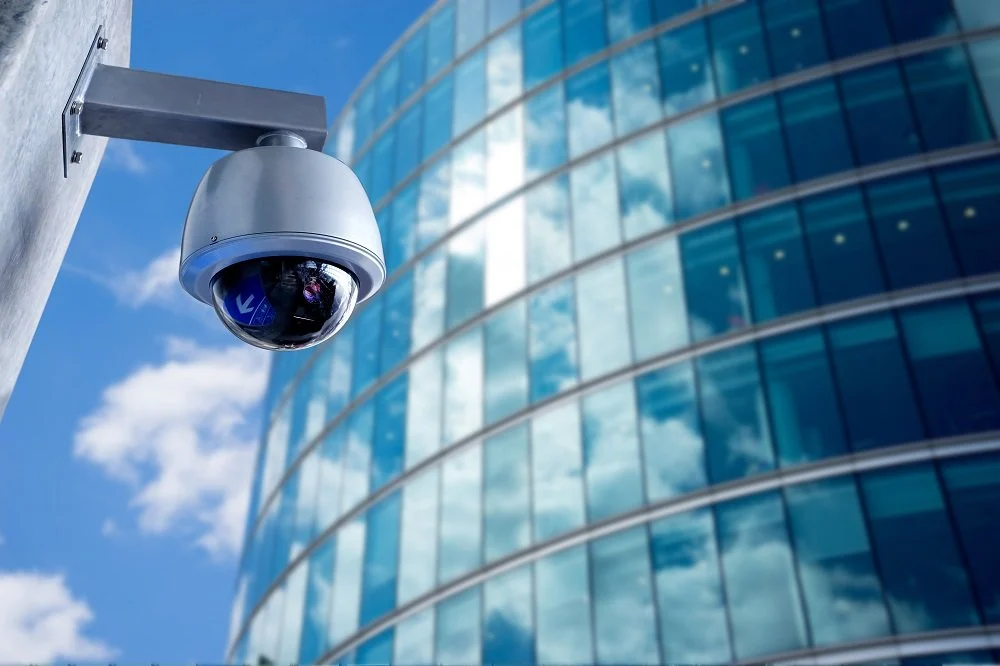
- Buzzer with camera: Lets the person inside see who is at the door before releasing it, a feature standard on IP video door stations from brands like 2N.
- Smartphone-enabled buzzer: Lets staff grant access through an app on a phone or tablet.
Wired systems cost more up front but less per year of operation, which favors owner-occupied buildings. Wireless and video systems suit leased or older properties where new cabling is impractical, and app-based models do need a stable connection to work reliably.
For buyers who want screening plus a full audit trail, a video intercom entry system delivers the same door release with camera verification and mobile access.

Not Sure Which Buzzer System Fits Your Building?
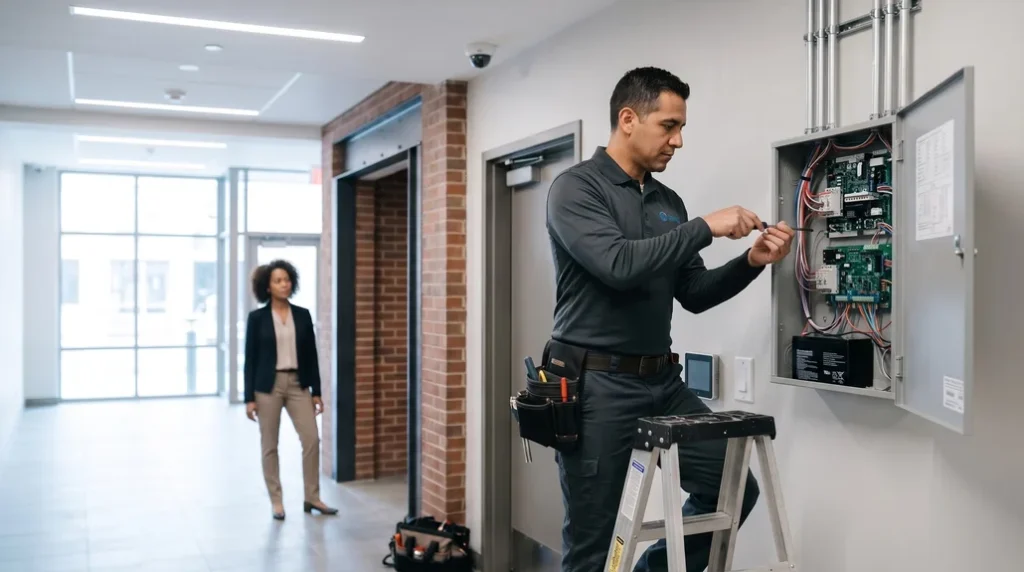
Wired, wireless, and video buzzer systems each suit a different entry point, building age, and budget. Forbel Alarms assesses your entrances and specifies a system sized to your property, not a one-size package.
How Does It Work?
Hardware at the entrance lets a visitor press a button to request access. In multi-tenant buildings, the panel may hold one button per unit or a searchable tenant directory. Inside, an employee or tenant presses a release button that signals the lock and opens the door.
Depending on the security a building needs, the system may add an intercom for two-way audio, a one-way camera so staff can see the visitor, or a two-way video station. Cloud-based and wireless models route that call to a smartphone, so staff can respond and release the door from anywhere with a connection.
Benefits of a Door Buzzer System for Business
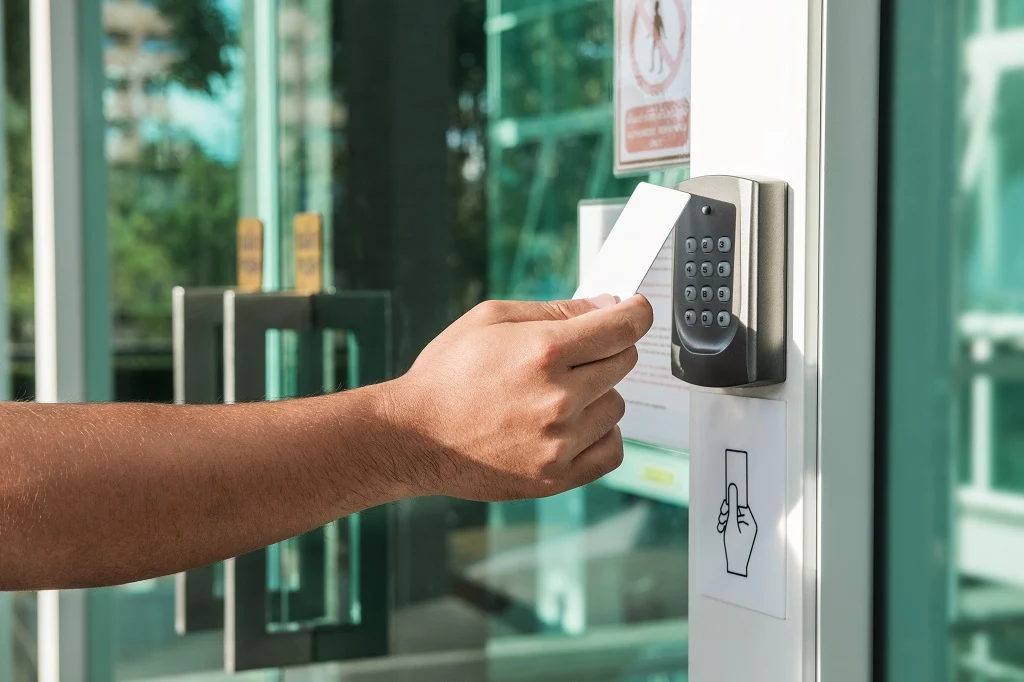
A door buzzer system does more than unlock a door. It closes specific security gaps that locked-but-unmonitored entrances leave open. The main advantages for a commercial property:
- Lower insurance costs: A monitored entry system can reduce annual premiums under some commercial policies.
- Theft and vandalism deterrence: A visible entry panel discourages unauthorized access attempts.
- Employee safety: Staff confirm who is at the door before releasing it, reducing walk-in risk.
- Restricted access: Buzzers can gate sensitive areas like stockrooms or server rooms, not only the front door.
- Built-in monitoring: Camera-equipped models record entry activity for later review.
- Emergency alerting: Panic-button models let staff signal for help during an incident.
- Tailgating control: Screening each visitor at the panel closes the gap where someone follows an employee through a held door.
Choose the Right Buzzer System for Your Building
Wired or wireless, audio or video, the right system depends on your entry points, building age, and whether you need visual verification. Forbel is a licensed Chicago low-voltage integrator that specifies, installs, and integrates buzzer and intercom systems across Chicagoland.
Tell us about your building and we will size a system to your entry points, not a generic package. Contact our experts for a free assessment, or call 847-595-1900.

Heading
Door Buzzer Entry System FAQs
Can I reuse my building's existing intercom wiring, or does a new system require rewiring?
In many older buildings, legacy 2-wire intercom wiring can be reused by adding a modern IP door station with relay boards, which avoids a full rip-and-replace. A site survey confirms what your building can keep before you commit to a system.
Will a door buzzer system still work if my building loses power or Wi-Fi?
Systems with battery backup keep running through outages. Wired systems do not depend on Wi-Fi at all. Wireless and app-based models need a stable connection, so a backup path matters more for those setups.
Do I need a full video intercom, or is an audio buzzer enough for my business?
Audio-only buzzers suit low-traffic single entries where staff mainly confirm expected visitors. Businesses that verify identity, log entries, or manage frequent deliveries get more value from a video intercom, now priced close to audio-only for many commercial sites.
How long does installation take, and will it disrupt operations?
A single-door retrofit can be completed quickly with little disruption. Multi-door or hardwired projects in existing buildings take longer, since labor and cabling drive most of the timeline. Your installer should scope this before work begins.