

Apartment Intercom Systems for Chicago Multifamily Buildings
Compare apartment intercom systems for Chicago condos and multifamily buildings: video, cloud, costs, and codes. Talk to Forbel's integrators today.
Packages vanish from the vestibule, and the copper phone line that still runs the front buzzer keeps getting pricier. In a Chicago building, the front entrance is where the small problems collect.
The right apartment intercom addresses both, but the best system depends on your building's age and wiring, your residents, and how it holds up in a February cold snap. This guide covers system types, real Chicago costs, brand fit, code and permit rules, and when to bring in a licensed integrator.
Forbel installs and services apartment entry systems across Chicagoland, and our Chicago intercom installers can match a system to your building.
What Is an Apartment Intercom System?
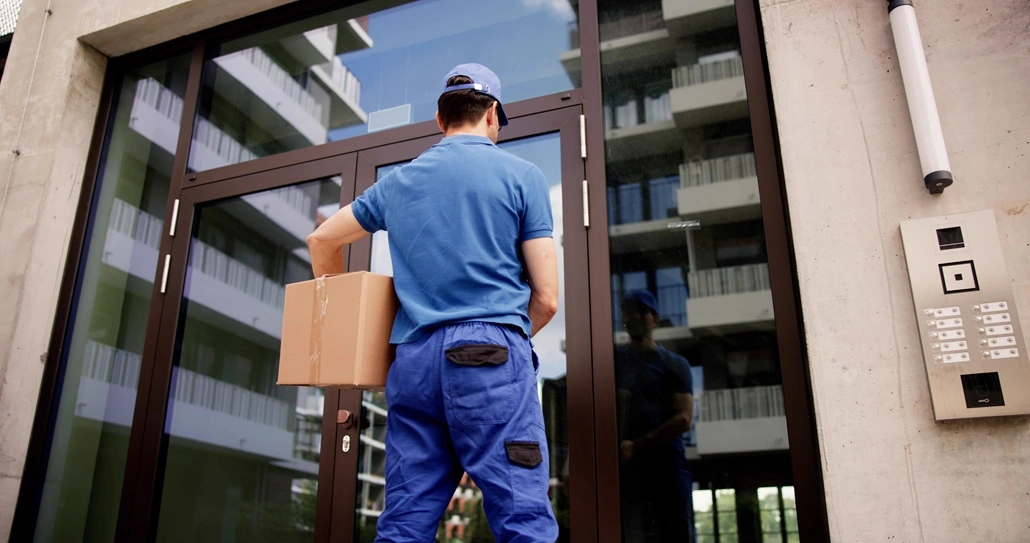
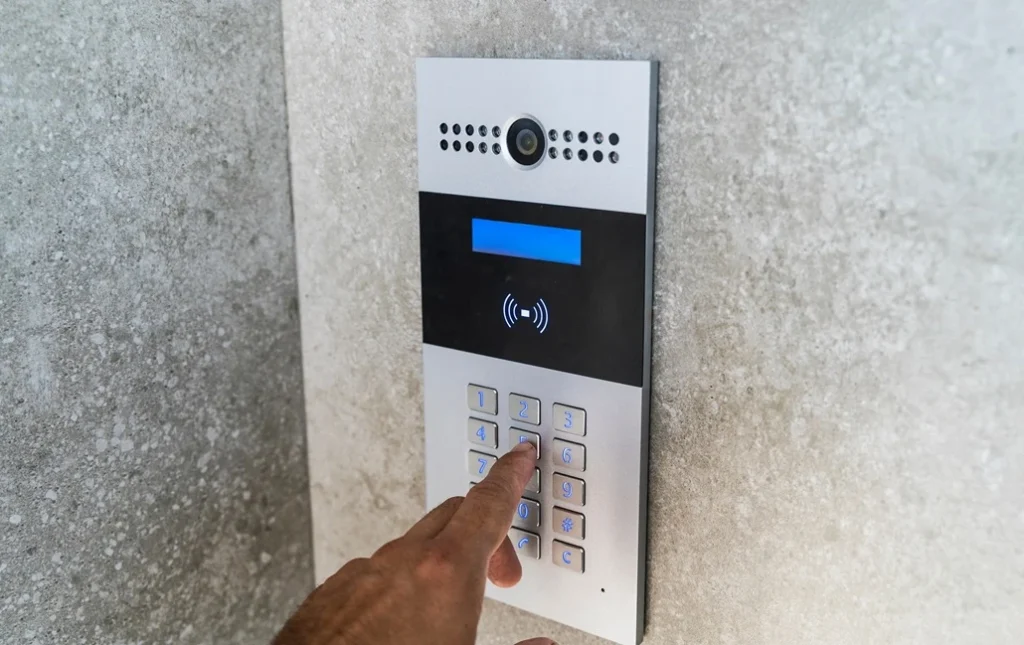
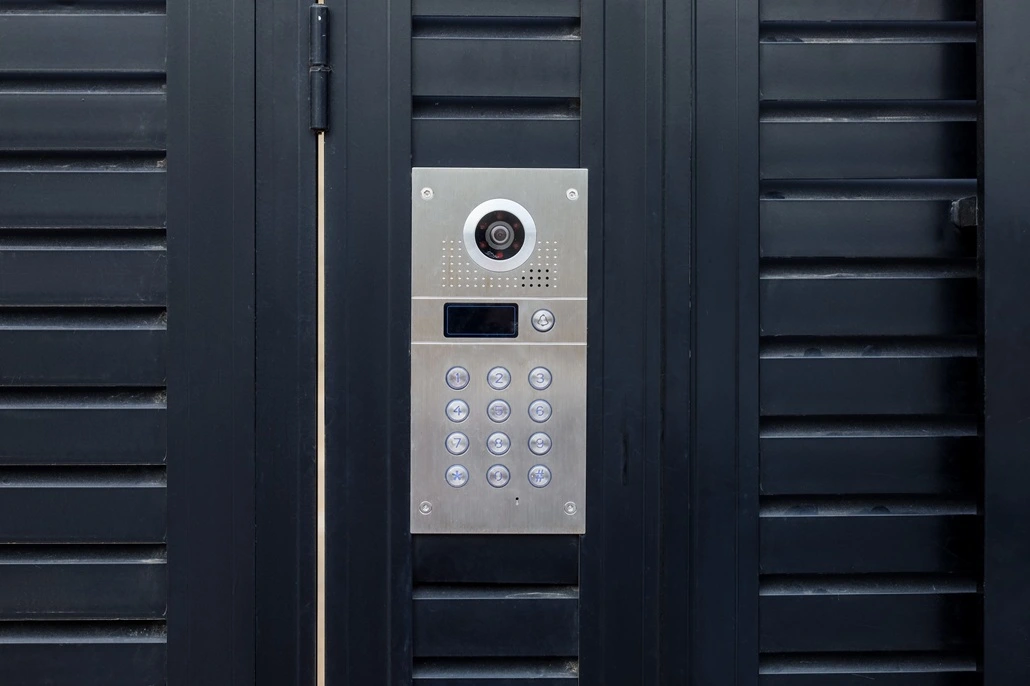
An apartment intercom system is a communication network that allows controlled access to multi-unit buildings by connecting visitors at entrances with residents inside. Modern systems include entrance panels with directories, in-unit communication devices or smartphone apps, electronic door release mechanisms, and backend infrastructure. Unlike basic buzzers, current systems integrate access control features with visitor verification.
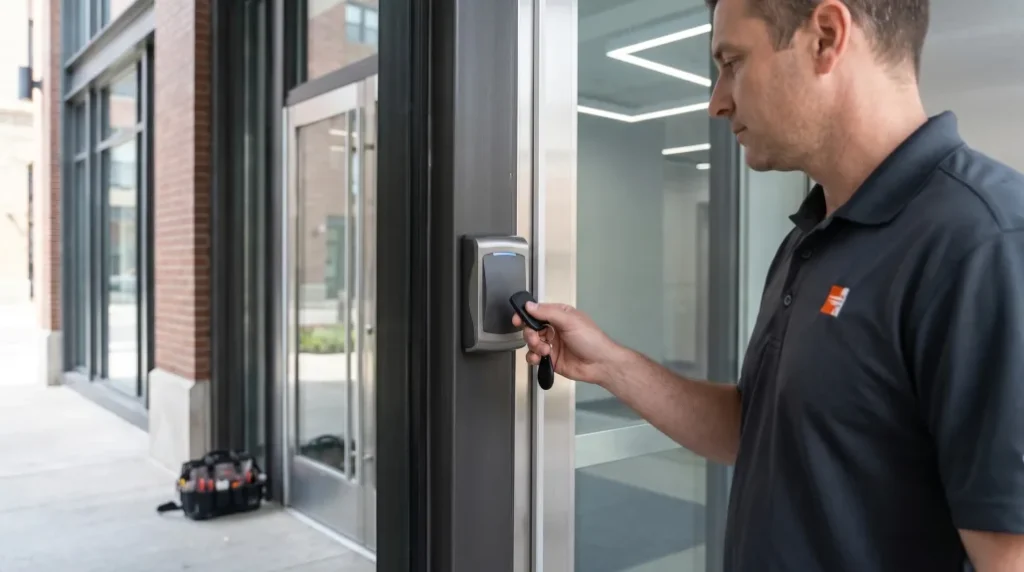
Modern systems add an access control layer: PIN codes, RFID fobs, mobile credentials, and time-limited guest or delivery passes. The door is held by an electric strike (needs power to unlock, so it stays secure in an outage) or a magnetic lock (needs power to stay locked, so it releases in an outage).
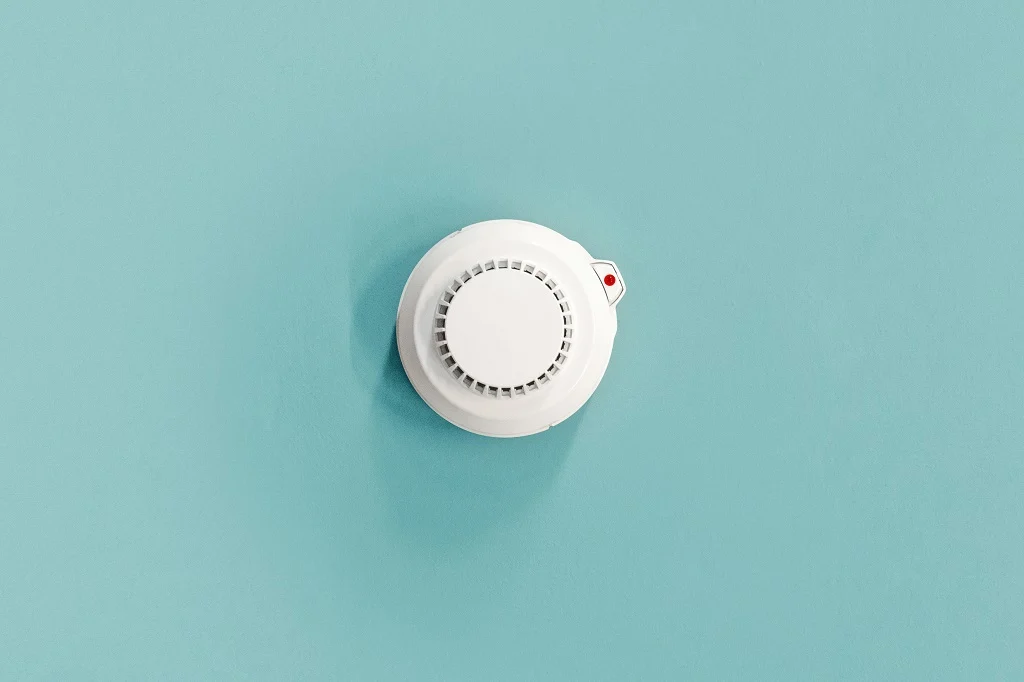
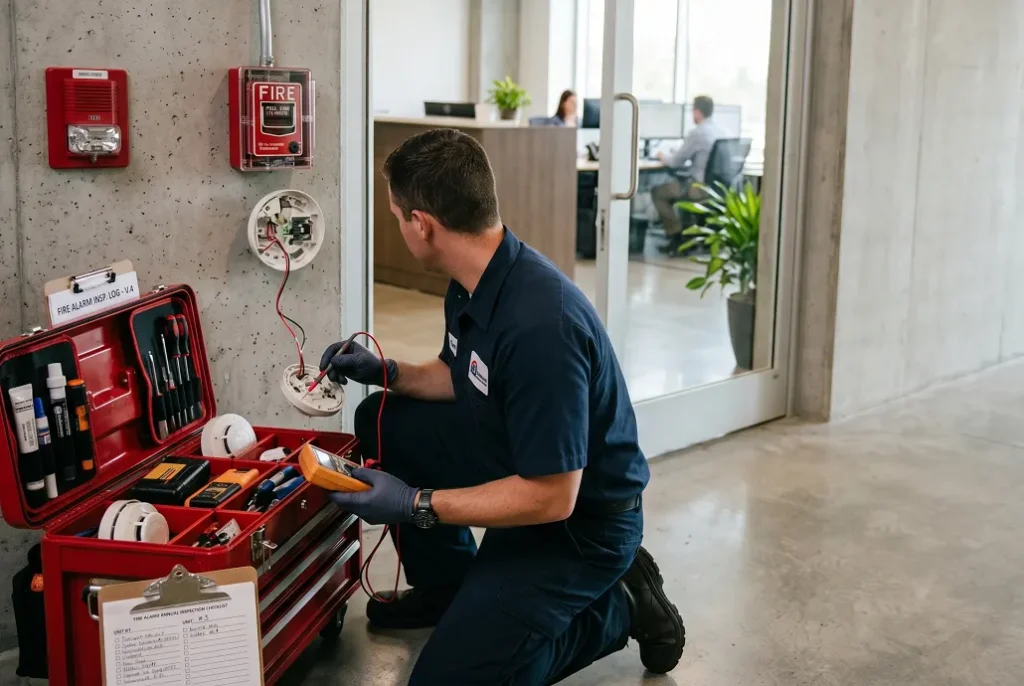
Important: Any lock on a building entrance must allow free exit at all times and release automatically when the fire alarm activates. This is a life-safety requirement your integrator designs around, not an optional setting.
Types of Modern Apartment Intercom Systems
The market offers several intercom types, each suited to a different building profile. The table below maps each to where it fits best in Chicago.
Intercoms are also grouped by how they connect:
- Wired: Hardwired connections; reliable, but new runs are costly in masonry buildings.
- Two-wire IP: Reuses existing copper pairs for IP video; avoids opening walls.
- Wireless/cellular: Minimal cabling; a cellular dialer can replace an expensive POTS line.
- Cloud: Remote directory and access management from any location.
For most Chicago multifamily properties, a video intercom that reaches residents' smartphones tends to be the practical middle ground on security, convenience, and cost.
What an Apartment Intercom Costs in Chicago
Cost splits into upfront hardware and installation, and ongoing monthly fees. Building age drives the biggest swings, because running new cable through masonry and plaster is where budgets grow.
Upfront:
- Hardware: Roughly $1,000 to $7,000 per entrance, depending on video, touchscreen, and access features.
- Basic buzzer repair: Often around $500 for a working legacy panel.
- Full CAT6 rewire of a vintage building: $5,000 and up once wall repair and plaster patching are included.
- Two-wire IP retrofit: Avoids most of that wall work by reusing existing copper.
Ongoing:
- Legacy POTS phone line: $70 to more than $350 per month per line as carriers retire copper.
- Cellular dialer replacement: About $40 to $50 per month, a common way to cut that bill.
- Cloud/app systems: Per-unit monthly software fees that add up across a large portfolio.
Note: A precise total depends on your entrance count, wiring condition, and system type. We quote against your actual building rather than a generic per-unit figure.
Typical installation timeline:
- Assessment and planning: 1 to 2 weeks.
- Proposal and equipment ordering: 1 to 3 weeks.
- Installation: 2 to 5 days for a 50-unit building.
- Testing and resident training: 1 to 2 days.
- Total project duration: Typically 4 to 8 weeks between the first consultation and completion.
When to Bring in a Licensed Integrator
Some intercom projects are a straight hardware swap. Others touch wiring, code, and multiple systems, where an integrator saves money and rework.
Call a professional when:
- Multiple entrances, gates, or an elevator need coordinated access.
- You are eliminating a POTS line or converting a legacy panel.
- The building is historic and wiring routes are unclear.
- The intercom must integrate with access control or cameras.
- Facial recognition is on the table and BIPA consent applies.
- Outdoor hardware has to hold up through Chicago winters.

See Your Project in That List?
These are the jobs where a licensed integrator saves money and rework. Forbel designs, installs, and services apartment entry systems across Chicagoland, so the work is done once and done to code.
Apartment Intercom Brands Compared for Chicago Buildings
Forbel installs several manufacturer platforms. The right one depends on building size, wiring, and whether you want monthly software fees.
For large complexes, Aiphone IXG offers commercial-grade door stations on a hardwired backbone. For historic buildings, Akuvox and Comelit run IP video over existing two-wire lines when new cabling is not realistic.
Key point: Any brand offering facial recognition entry brings Illinois BIPA obligations. See the FAQ below before specifying it.
How to Integrate Intercom Systems with Your Building's Existing Security Infrastructure
Modern intercoms connect with other building systems so entry, monitoring, and records work together. Consistent access rules across the property cut staff workload and support cleaner audit trails.
Common integrations:
- Access control: Unified entry with fobs, PINs, and mobile credentials. See our guide to access control readers.
- Video surveillance: Camera views tied to entry events for verification.
- Elevator controls: Floor-level access permissions for residents and guests.
- Property management software: Directory sync so tenant changes update once.
- Delivery access: Time-limited PINs and courier programs such as Amazon Key for Business, which cut the blind buzzing that leads to package theft.
Unified credentials can carry across entry doors, unit locks, and amenity spaces, which simplifies daily management and resident convenience.
Why Chicago Condo Boards Are Dropping Their POTS Phone Lines
Older telephone-entry boxes rely on a copper landline. As carriers retire copper, that single line now runs $70 to more than $350 per month for many three-flats and six-flats. Boards on fixed reserves feel it fast.
You usually do not need to replace the whole panel. A cellular dialer or a VoIP adapter can keep a sound DoorKing or Linear box working for about $40 to $50 per month, cutting the recurring bill while you plan a larger upgrade. This is one of the quickest wins for a self-managed building.
How to Modernize a Vintage Masonry Building Without Rewiring
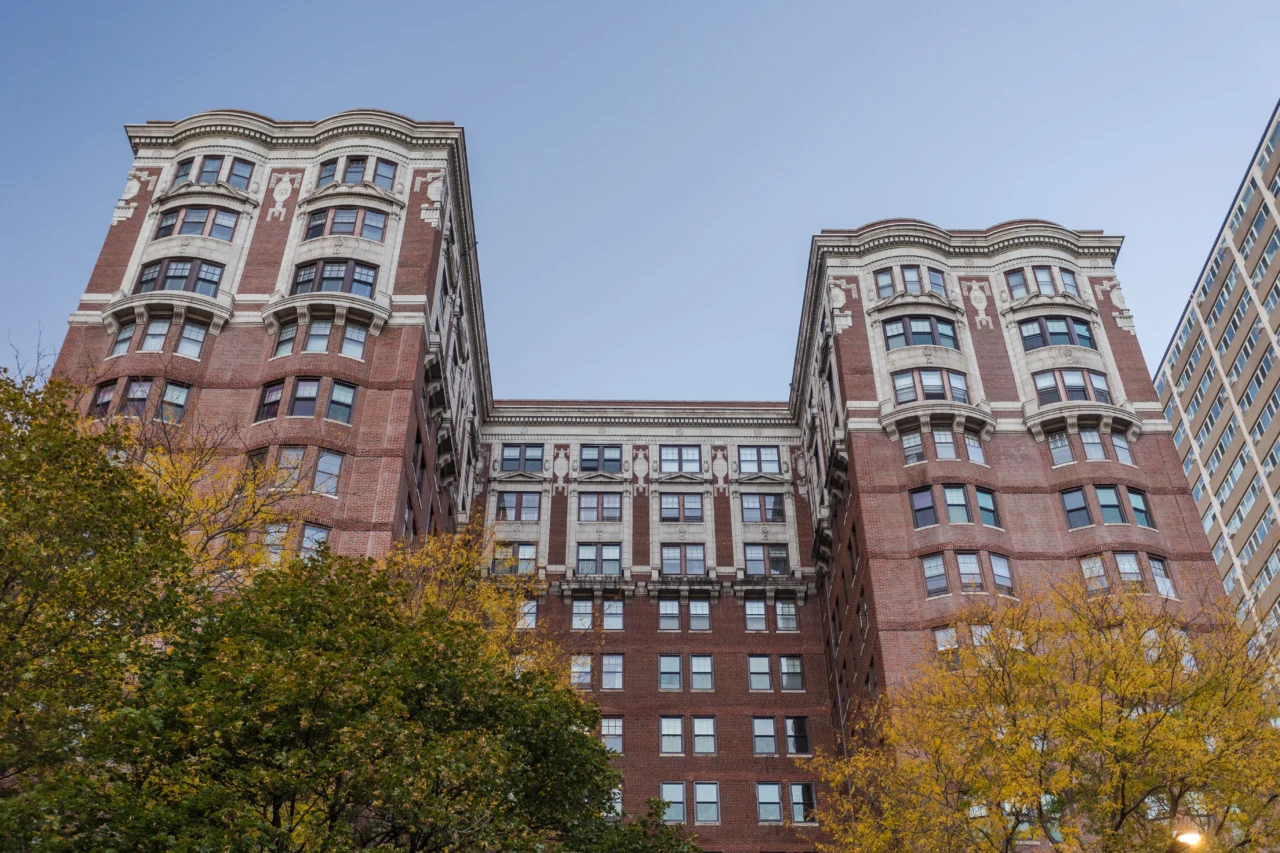
In Chicago brick-and-plaster buildings, pulling new CAT6 from the entrance to each unit means cutting walls, drilling masonry, and patching plaster. A full rewire commonly starts around $5,000 once repair is included, which stalls many projects.
Two paths avoid most of that work:
- Two-wire IP: Systems from Akuvox and Comelit send IP video over the existing copper pairs.
- Cellular or cloud: Entry hardware that connects without new in-wall runs to every unit.
Both let you add video and mobile access while preserving historic finishes, which matters for boards protecting a building's character and its reserves.
See a historic retrofit we handled: at a historic Evanston home, we added a modern door-entry and intercom system while working around the original wiring, without cutting into walls or plaster. View our Evanston retrofit.
Will a Smart Intercom Survive a Chicago Winter?
Not all of them hold up the same way. Below zero, capacitive touchscreens can stop responding, camera lenses fog, and electric strikes can bind as door frames contract. App-only systems add a failure point when a phone battery dies in the cold.
Spec around it:
- Weather protection: Outdoor hardware with sealed, weather-rated enclosures (IP65 or better) and a protective hood.
- Physical backup: An illuminated keypad or fob reader at every street entrance, so a dead phone is not a lockout.
- Commercial strikes: Heavy-duty hardware sized for cold-weather door movement.
Designing for the coldest week of the year is what keeps residents and couriers from forcing a stuck door.
How Do You Stop Blind Buzzing and Package Theft?
When couriers ring every unit at once, residents buzz the door open just to stop the noise, and strangers follow the packages in. Video verification and delivery-specific access break that cycle.
What works:
- Delivery PINs: Time-limited codes for carriers, logged with a photo of each entry.
- Courier programs: Integrations such as Amazon Key for Business let vetted drivers in without a resident buzzing.
- Video at the panel: Residents see who is calling before releasing the door.
Time-stamped entry logs also give managers a record when a package dispute comes up, which cuts back-and-forth with residents.
Compliance and Building Code Requirements for Chicago Intercom Systems
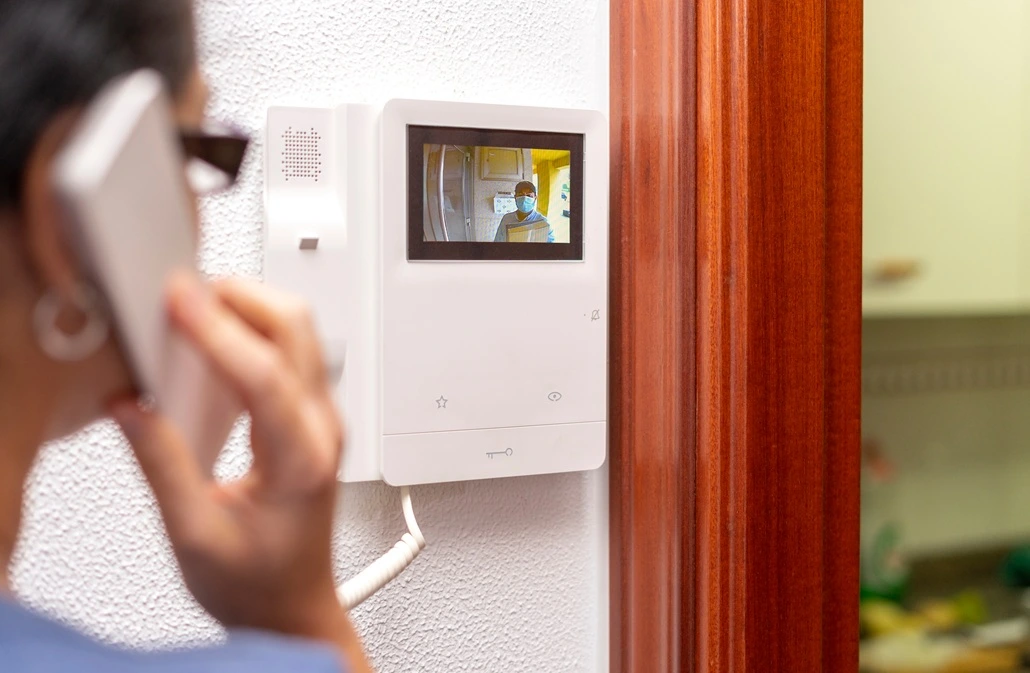
When installing or upgrading intercom systems in Chicago, property managers must meet specific regulations and requirements:
ADA Compliance
The Americans with Disabilities Act requires that intercom systems be accessible to all building residents and visitors:
- Entrance panels must be mounted at accessible heights (typically 48 inches from floor to centerline).
- Visual indicators should accompany audio features.
- Controls must be operable with minimal force and without tight grasping or twisting.
For detailed requirements, see the ADA Standards for Accessible Design.
Chicago Building Codes
Chicago has specific requirements for multi-unit buildings that affect intercom implementation:
- Entry systems must conform to Chicago Electrical Code standards.
- High-rise buildings carry added backup-power and fire-command requirements that affect secured entry.
- Fire-department and first-responder access must stay available at controlled entrances.
For local codes, consult the City of Chicago Building Code.
Privacy Regulations
Modern intercom systems with video and data storage must address privacy:
- Resident notification for video recording.
- Secure storage for access logs and visitor images.
- Limits on data retention periods.
Talk to Chicago's Intercom Experts
Forbel designs and installs apartment intercom systems across Chicago, matching the hardware to how your building is wired and how your residents actually use the front door, so you avoid an expensive mistake and recurring service calls.
Book an on-site assessment and get a system spec'd for your actual building, not a generic per-unit quote.

Heading
Chicago Intercom Codes, Permits, and Compliance FAQ
Do you need a permit to install an apartment intercom in Chicago?
Intercom work involves low-voltage and communication wiring, which Chicago classifies as electrical work. Electrical work requiring a building permit must be done by a licensed electrical contractor, and Illinois-licensed private alarm contractors may perform private alarm work in the city. A qualified integrator pulls the correct permit for the scope. See the City of Chicago electrical licensing rules.
Who can legally install low-voltage intercom wiring in Chicago?
A licensed low-voltage or general electrical contractor, or a licensed private alarm contractor working within that scope. Unlicensed installation risks failed inspections and liability.
Is facial-recognition entry legal in Illinois?
It is allowed, but the Illinois Biometric Information Privacy Act, 740 ILCS 14 governs it. Before capturing face-geometry data you need written informed consent and a published retention and destruction schedule, and residents can recover statutory damages of $1,000 per negligent violation or $5,000 per intentional or reckless violation. Always offer a non-biometric option such as a PIN, fob, or app.
Do intercom-controlled doors have to allow emergency exit?
Yes. Any lock on a building entrance must permit free exit at all times and release automatically when the fire alarm activates. Your integrator specifies hardware that meets this life-safety requirement.